The Complete Guide to Lead Management for Small Businesses
SmartFlowCRM Team
Content Team
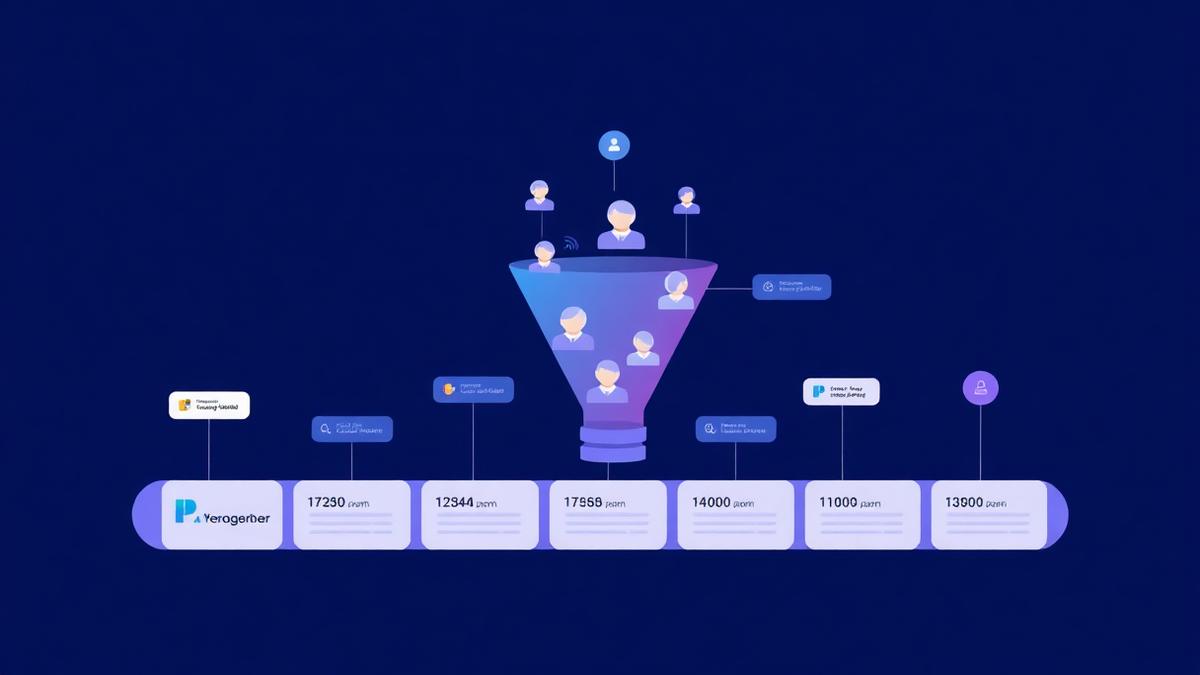
What leads actually are (and why they matter)
A lead is simply someone who has shown interest in what you offer. Could be a call, an email, a completed contact form, or someone who liked your Facebook post and messaged. Nothing mystical. Just a person who might one day pay you money.
For a local gym, a lead might be someone asking about personal training rates. For a dog groomer, it is a message about a nervous spaniel that needs a gentle hand. For a small accountancy firm, it could be an email asking whether you can handle a sole trader's tax return. These are opportunities, not guarantees.
Why does this matter? Because most small businesses live and die by the number and quality of leads. If you can consistently turn a higher percentage of leads into paying customers, your revenue grows without having to find new people all the time. That is why lead management is about squeezing more value from what you already attract.
Here is the rub, many small businesses treat leads like fleeting things. They do not track them, follow up inconsistently, or miss important details. That is where lots of small firms bleed money without realising it.
Where leads come from
Leads come from everywhere. Online forms, Google searches, social media DMs, phone calls, word of mouth, community notice boards. Sometimes a neighbour mentions your name. Other times a sponsored post brings someone in. The trick is not to worry about the list being endless, but to notice which sources bring the right kinds of leads for your business.
A gym often gets leads from trial class sign-ups and local lifestyle bloggers. A dog groomer might get messages from local Facebook groups, or referrals from a vet. An accountancy firm can see leads coming from LinkedIn posts about tax changes, or from local business networking events.
Pay attention to patterns. If a particular class or post brings in better leads, do more of it. If a certain advertising channel produces lots of enquiries but none convert, stop wasting money there. Knowing where leads come from lets you invest time and budget wisely.
What happens when you don't manage them
Imagine this. A client enquires, you read the message at 9pm, you think "I'll reply tomorrow", you forget. Two hours later a competitor replies and gets the booking. Ouch.
Poor lead management leads to missed revenue, inconsistent service, and reputational damage. For the gym, that might be an empty spin bike and a lost membership. For the dog groomer, it is a frustrated owner who posts a negative review. For the accountancy firm, it could be a missed deadline and a client who never returns.
Beyond obvious losses, unmanaged leads create stress. You scramble to remember who wanted what, you lose notes, and you waste time asking basic questions again. Worst of all, your team gets mixed messages on who is responsible for following up. The business then looks unprofessional.
So, this is not just about "more sales". It is about reliability, credibility, and repeat business. Letting leads fall through the cracks costs more than you think.
How a simple system fixes it
You do not need a fancy, expensive system to start managing leads properly. You need consistency, and a simple process that everyone follows. Start with three things, capture, qualify, and follow up.
Capture means recording every lead in one place. Use a spreadsheet, a simple CRM, or tools like SmartFlow which can centralise enquiries from email, web forms, and social media. When everything comes to one place you stop losing messages.
Qualify means deciding quickly if this lead is a good fit. Does the dog groomer take that breed? Can the gym offer a morning coaching slot? For the accountancy firm, does the potential client match the services you specialise in? A short set of qualifying questions saves you time.
Follow up means having a timetable and accountability. A reply within 24 hours is often good enough. For hot leads, aim for within one hour. Use templates for common replies to speed things up, but personalise them. SmartFlow and similar systems can automate reminders and follow-up sequences so nothing slips through.
Even a tiny, tidy system removes daily friction. You are less stressed, customers feel valued, and your conversion rate improves. That is the payoff.
Features to look for
If you are thinking about using a tool, keep it simple. You want features that actually solve problems you have today, not shiny extras you might never use. Here are the essentials.
For small teams, integrations matter. Does the system connect with your website form, your Facebook page, or your email? SmartFlow, for example, will pull enquiries from multiple places and keep them organised. That saves time and reduces errors.
Avoid bloated systems that require training courses or heavy customisation. Your ideal tool is intuitive, affordable, and actually used by the team. Usability beats features when you are a small business.
Getting started tips
Start small, and be consistent. Pick one place to record leads today, and stick with it for a month. If that is a spreadsheet, fine. If it is SmartFlow, even better. The critical part is that every enquiry goes there.
Create three templates. One for first response, one for qualification, and one for booking confirmation. Save time and keep communication clear. Personalise the templates, add the client's name, and mention something specific from their message. People notice that.
Assign ownership. One person should be responsible for initial replies. If you share that task, agree who takes what. Accountability reduces drops and doubles up on follow-ups. A rota works well for small teams.
Measure a couple of things. How many leads per week, the source of those leads, and your conversion rate. You do not need fancy dashboards, a simple table will do. If conversion is poor from a particular source, investigate. Maybe a landing page needs better copy, or your booking process is confusing.
Make quick follow-up habits. Reply within 24 hours as standard, sooner for urgent asks. Phone calls within business hours, messages outside. A prompt, polite response will often win you business even if your price is slightly higher.
Train your team on tone and information to collect. For the dog groomer, it might be the pet's breed and temperament. For the gym, fitness goals and preferred times. For the accountancy firm, the type of business and turnover. These simple facts help flag the right service and set client expectations.
Use automation where it helps. Auto-replies can confirm receipt and set expectations for when someone will hear back. SmartFlow can send those initial confirmations, freeing you to do the human bit when needed. Automation is not cold, when done well it is helpful.
Review weekly. Spend 15 minutes each week looking at leads. Are you getting more from a particular channel? Did any lead fall through the cracks? Small, regular checks avoid big problems later.
Finally, ask for feedback after the sale. Why did the client choose you? What could have made them decide sooner? That intelligence is gold. It helps refine your messages, and makes future lead handling smoother.
Lead management does not need to be complicated. It needs to be consistent. Treat leads like the potential customers they are, and you will see a steady improvement in bookings and reputation. Start with one place to capture enquiries, follow up quickly, and keep things simple. Tools like SmartFlow can help you scale those habits, but the real change comes from the small daily practices you stick with. Good luck, and treat each new enquiry like a match that could light up your business.
Ready to See What SmartFlow Can Do?
Try SmartFlow free and see how it helps small businesses like yours save time and win more customers.
Start Free Trial